The Stakes Were Higher Than a Slide Deck
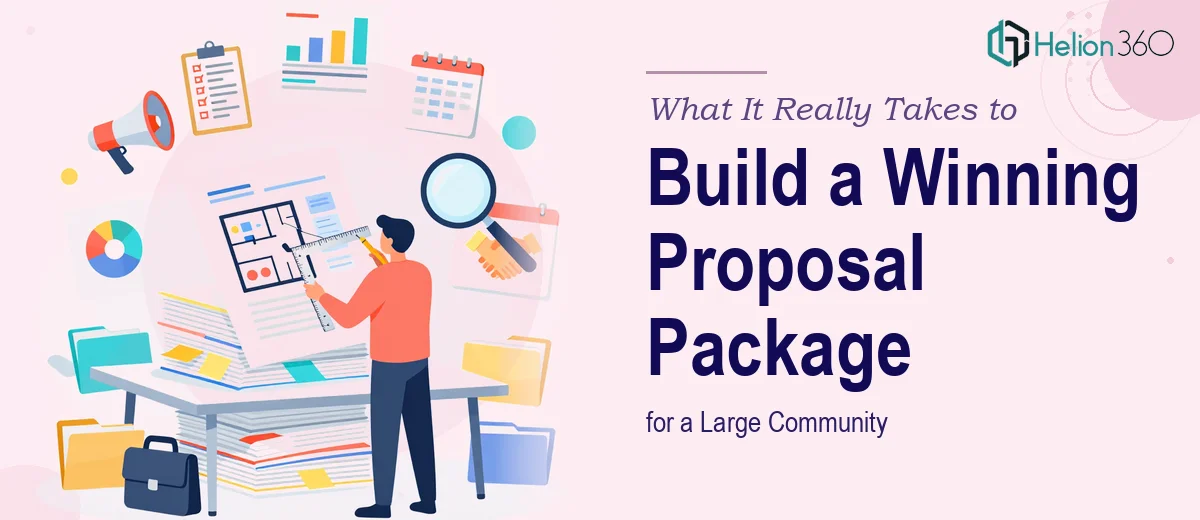
I was sitting with a real problem. Our organization needed a full presentation and proposal package — not a quick deck thrown together over a weekend, but a complete set of materials capable of walking community boards, foundations, and local stakeholders through who we are, what we're building, and why it matters. The audience was sophisticated and skeptical in the way that community decision-makers tend to be. They've seen a hundred slide decks. They know when something was rushed.
What was at stake wasn't just a meeting. It was the credibility of the platform, the first impression with people whose buy-in we needed to grow. I knew immediately this had to be done right — not competently, but properly. That's a different standard, and it's a much harder one to meet.
What I Found Out a Package Like This Actually Requires
I started researching what a professional community engagement presentation and proposal package actually involves when it's done well. The gap between what I expected and what I found was significant.
First, there's the narrative architecture. A presentation to a community stakeholder group isn't a company pitch — it has to speak to mission, local impact, and shared values before it earns the right to make an ask. The story structure is different, and getting it wrong reads immediately.
Second, the proposal document has to function as a standalone — clear enough that someone who wasn't in the room can read it and understand the value proposition, the plan, and the path forward. That's a separate writing and design discipline from the deck.
Third, accessibility and inclusivity standards for community-facing materials aren't optional. Font sizes, color contrast ratios, plain-language principles — these are conventions that community boards and foundations expect to see applied. Skipping them signals that you haven't done this before.
At that point, I stopped thinking about attempting any of this myself.
The Work That Actually Goes Into Getting This Right
The foundation of a community presentation package is narrative structure — and it's not the same structure as a sales deck. The right approach starts with auditing the organization's mission, mapping it against what the specific audience cares about, and building a story arc that earns trust before it makes an ask. That sequence — context, proof of impact, community alignment, then the proposal — is deliberate and takes real editorial judgment to execute. Collapsing that arc, or presenting the ask too early, is the most common failure mode in stakeholder-facing materials, and it's hard to see from the inside.
The visual mechanics of a package this size require a disciplined system, not slide-by-slide design decisions. A proper layout framework uses a consistent grid — typically a 12-column structure — with a locked typographic hierarchy across heading, subheading, and body levels (commonly 36pt, 24pt, and 16pt respectively), no more than four brand colors applied with strict rules about which elements use which tone. Building this system so it propagates correctly across master slides and then holds across 30 or 40 slides is meticulous work. A single broken master can cascade inconsistencies across the entire deck, and catching every instance manually takes hours.
The proposal document layer adds a separate discipline entirely. A written proposal that functions standalone — meaning readable without the presenter in the room — needs clear section hierarchy, plain-language summaries before any detailed content, and formatting that guides the reader's eye through dense information without losing them. Accessibility standards compound this: WCAG-compliant contrast ratios, alt-text conventions, and font sizes that hold legibility for all readers are not decorative choices. Community boards and grant-giving foundations look for these signals, and materials that ignore them quietly undermine credibility.
Why I Brought in Helion360 to Handle the Full Package
I didn't spend time attempting drafts and realizing they weren't good enough. Once I understood what the work required — the narrative architecture, the visual system, the standalone proposal document, the accessibility layer — it was obvious that doing this well required a team with that specific expertise already built in.
Helion360 handled the full project end-to-end through their proposal presentation design services. That meant the narrative structure and editorial framing of the presentation, the design system built from our brand identity, and the proposal document developed to function as a complete, professional leave-behind. I didn't hand them a half-built deck to polish. I handed them the brief and the brand, and they handled the rest.
The turnaround was fast — done in days, not the weeks it would have taken me to work through the learning curve on even one of these disciplines. They came with the tooling, the process, and the pattern recognition that only comes from doing this kind of work repeatedly. That's the thing about engaging a team that does this all day: you're not paying for their time learning your problem. They've already solved versions of it. (See how I designed visually compelling proposal graphics for similar challenges, and how high-impact business proposal presentation work differs when done under deadline pressure.)
The Result, and What I'd Tell Anyone in the Same Position
What came back was a complete package — a structured presentation built to earn stakeholder trust, and a proposal document polished enough to leave on a table and do its own work. The materials were visually consistent, brand-aligned, and held up under the scrutiny of an audience that knows when something is real.
The meeting landed the way it needed to. More importantly, the materials have continued to travel — shared further than the original room, reviewed by people who weren't in the initial meeting, doing exactly what a properly built package should do.
If you're looking at a similar problem and want it handled end-to-end without the weeks of learning curve, Helion360 is the team I'd engage — they delivered for me fast and brought the kind of execution depth this work genuinely requires.